
Get in touch for a free, no-obligation quote.
Blog
Signs you need general electrical services and what to do next
Philippe Couve
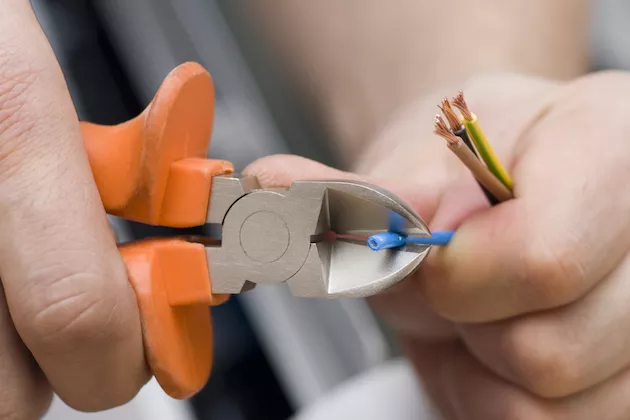
Electrical faults start small and become dangerous fast. As a Gas Safe and NICEIC registered engineer serving Paignton, Torquay and Brixham, I see the same warning signs over and over. If you notice any of the items below, arrange an inspection rather than hope the problem goes away.
Common warning signs
Flickering lights, especially when other appliances switch on: possible overloaded circuits, poor connections, or failing consumer unit components.
Frequently tripping breakers or RCDs: often a sign of a faulty appliance, damp in a circuit, or ageing wiring that needs attention.
Warm or discoloured sockets and plugs: heat means resistance, and resistance can lead to melted plastic or fire.
Buzzing or crackling from switches or sockets: loose connections under load create noise and pose a fire risk.
Burning smells or scorch marks around outlets: an immediate danger, stop using the circuit and get it checked.
Sparks when plugging in or switching on: indicates damaged contacts or loose wiring.
Lights that dim or dip when kettles, washers or showers start: could be voltage drop from an undersized circuit or poor neutral connections.
Old consumer unit with fuses or no RCD protection: modern homes require protective devices to reduce electric shock risk.
Non-functional or ageing smoke and heat alarms: these must interlink or be wired correctly for proper fire safety.
Outlets that no longer hold plugs securely: worn sockets create intermittent contact and heat.
Simple safety checks you can do now
Isolate the appliance. Unplug the device causing trouble and see if the fault follows the appliance by trying it on a different socket.
Check the trip history. If the same circuit trips repeatedly, stop using that circuit and label it for the electrician.
Look for visible damage. Melted plastic, scorch marks and frayed cables need urgent attention.
Test your RCD. Many domestic RCDs have a test button. If it fails, do not reset it without professional advice.
Earthing and bonding checks. If you have gas or metalwork, make sure you have periodic inspections, particularly in older properties.
If any check makes you uncomfortable, or if a visible hazard exists, shut off the circuit at the consumer unit and call for a professional inspection.
What an electrician will do on inspection
A registered electrician will:
Conduct a visual safety check of sockets, switches, consumer unit and wiring routes.
Use test equipment to measure earth continuity, insulation resistance and polarity.
Identify whether the issue is an appliance fault or wiring fault.
Recommend remedial work, from replacing a single socket to updating the consumer unit or rewiring sections of the property.
Provide a clear, written report and a safety certificate where required, for example under Part P regulations.
Because I am NICEIC registered and Part P certified, any electrical work I complete includes appropriate certification and testing so you know the job is compliant.
When a full rewire or consumer unit upgrade is needed
Not every fault requires a full rewire. However older homes, especially Bay of Paignton Victorian terraces, frequently need updating. Factors that push work towards a full rewire or consumer unit replacement include:
Consumer unit with fuses only, or missing RCD protection.
Frequent failures on multiple separate circuits.
Old or damaged wiring systems, and wiring installed before modern regulations.
Significant renovations where walls are opened anyway.
I will always explain the extent of work needed and how it improves safety and system capacity. All labour is backed by a 12-month guarantee for your peace of mind.
How to choose the right tradesperson
Check registration. Use an NICEIC or Part P registered electrician for domestic electrical work. For gas appliances also use Gas Safe registered engineers.
Ask for certificates. Any fixed wiring work should come with test certificates and a clear description of tests performed.
Look for local experience. A tradesman who knows Paignton properties will avoid common pitfalls and work tidily.
Clear communication. You want straightforward advice, not jargon.
I have been working in Paignton since 2002. My approach is straight-talking, punctual and tidy. I leave homes clean and customers with easy to understand test reports.
Costs and timescales, in brief
Costs vary with the age of the property, access to cabling, the number of circuits affected and whether a consumer unit or part rewire is needed. I will provide a clear quote after inspection and explain the factors that affect the overall cost.
What to do next
If you see any of the warning signs, stop using the affected circuit where it is safe to do so, and arrange a professional inspection. For electrical faults that smell, smoke or show visible damage, switch off the circuit at the consumer unit and contact an electrician right away.
For a straightforward safety check, fault diagnosis or consumer unit upgrade in Paignton and nearby towns, call 01803 665040 or 07884 457319 or email couvephilippe@protonmail.com. I am Philippe Couve, Gas Safe and NICEIC registered, and I offer clear advice, certified work and a 12-month labour guarantee.